
How To Choose, Style & Display Vases For Every Flower Arrangement
Updated: Mar 16
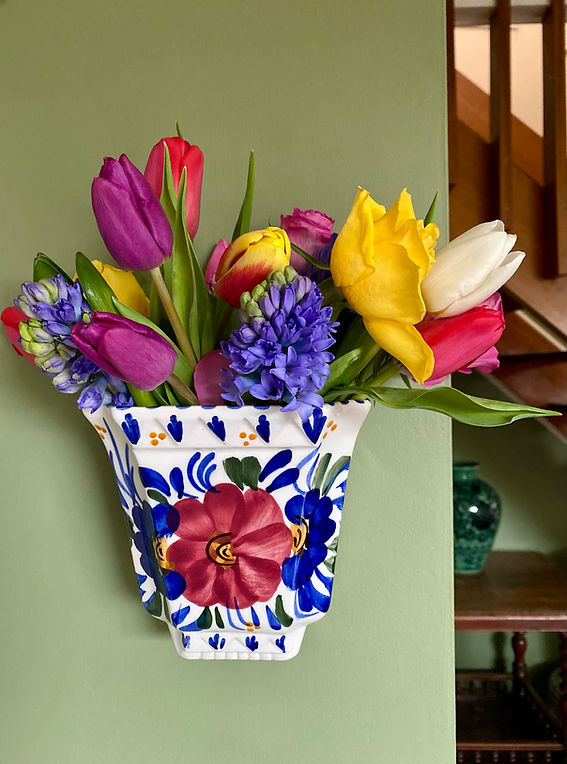
Flowers bring life and colour into any home, but the vase you choose can make all the difference in how your arrangement looks and feels. Selecting the right vase not only supports the flowers but also enhances your room décor, often making a design statement in its own right. This guide offers practical tips on how to style and display vases in your home and which vases work best for different types of flower arrangements.

Choosing the Right Vase for Your Flowers
Different flowers need different support and presentation. The vase you pick should complement the flowers and help set the mood you wish to create. Here are some key pointers:
Vase Shape and Flower Type
Tall, narrow vases, such as cylindrical or column shapes, work well with long-stemmed flowers such as delphiniums, gladioli, blossom boughs, or foliage. They provide support and keep stems upright.
Narrow-necked bottle vases, with rounded or straight-sided bases, are great for delicate, spray-style flowers like Baby's Breath (Gypsophila) or exotic orchids, giving support where needed for a rustic, unstructured 'clouds' of miniature blooms or a more sculptural look.
Vintage jugs with a shapely, sinuous form can look charming, filled with gathered garden flowers for a casual, relaxed, modern cottage vibe.
Indeed, all vases with flared and trumpet-like openings support large, mophead-style blooms (think hydrangeas or peonies) as they provide a lip upon which the weight of the flower heads can gently rest.
Similarly, low, wide-mouthed bowls, cubes, or rectangular vases suit fuller bouquets with large heads, such as bunches of blowsy roses, chrysanthemums, dahlias or hydrangea heads. They allow the blooms to open fully and spread naturally.
Square, glass cubes, tall columns or wide, rectangular troughs, as well as ceramic, slab-made vases, display angular geometry. Their straight-line silhouettes create a formal, ordered look, especially when grouped. Temper this architectural appeal with frothy, oversized blooms such as hydrangeas, striking, exotic blooms such as proteas or quirky foliage or vegetables such as ornamental cabbages.
Urns bring a grand, country house style and demand larger, perhaps professionally arranged floral arrangements for real drama and impact.
Amphorae - similar to urns but with little handles at the neck - work like narrow-necked bottle vases to support delicate stems, and are often used as decorative accents in their own right.
Modern, asymmetric vases, too - whether organic in shape or all about angular geometry - often make more of a decorative statement without flowers.
Bud vases are perfect for pretty, single-stem blooms displayed either alone or en masse.
Finally, don't forget about wall vases! A quirky and rarely-seen flower-arranging choice, but whether your vessel is hand-painted, ceramic, sleek metal or modern, mouth-blown glass, an unexpected floral display on a wall can look whimsically romantic, sculptural or super-modern by turns.

Material Matters
Glass vases offer a clean, classic look and let you see the stems, which can add to the arrangement’s charm. Use a clear glass vase with a single type of flower for a minimalist look. Coloured glass vases, especially hand-blown orbs, introduce luminous glowing colour when daylit, bringing light and movement to a room scheme, much like jewellery does to an outfit. Similarly, cut or pressed glass vases add sparkle to tablescapes and sideboards.
Ceramic or porcelain vases bring tactile textural appeal, visual clout with colour or pattern that's either bold and graphic or small-scale and all-over. They often serve as statement pieces even without flowers. They may be glossy or matte, rough or smooth, with a raised, decorated surface or an intricate, baked-in design. They may have a smart, tailored look or feel decidedly artisanal: asymmetric, organic in feel, wheel-spun or slab-formed. Ceramic vases also hide unsightly stems, so the arrangement may last longer.
Metal vases inject glamour with shine and sparkle, add a raw, industrial edge, feel quirkily retro or prettily vintage, or even project an eclectic, global vibe, depending on the vase style you choose. Metal vases can also look very chic, displayed with rustic, dried flower arrangements, as the unexpected juxtaposition of styles somehow works.

Colour and Finish
Vases are great for adding colourful accents to your room scheme, whether bold, block colour, multi-colour, jewel tones, a subtle ombré effect or earthy, nature-inspired hues. Choose a vase colour that either contrasts or complements your flowers and room decor. For example, a white ceramic vase highlights bright flowers, while a coloured glass vase will add depth to a monochrome bouquet.
Glossy, pearlised finishes, glass, shiny metallics and mirrored surfaces will all draw light, sparkle and movement into a space - a great solution for darker corners where daylight is in short supply. The effect is redoubled come nightfall when such surfaces are lit by candlelight, across a tablescape, for example.
Conversely, matte, textured, earthy ceramic vases in natural finishes such as terracotta, marble or stoneware, as well as rustic, studio pottery, vintage or modern and in nature-inspired glazes, lend artisanal flair to your décor scheme. Elemental, handmade vases provide an additional layer of tactility and sit well in relaxed, informal rooms that combine natural colours and materials, organic shapes and cosy, cocooning textiles.

How to Style And Display Vases for Maximum Impact
Displaying vases thoughtfully can transform your space. Here are some tips to style vases effectively:
Placement Tips
Proportion is key - choose a vase with the right proportions for your space and floral arrangement. A single, large-scale vase with an accompanying floral arrangement will have more impact in a high-ceilinged room on a surface such as a large kitchen island or a round table in a spacious entrance hall than multiple smaller vases.
Think elegant, standalone flower stands, too. I have a hunch they will be making a comeback!
Whatever the size and scale of your entrance hall, welcome guests with a vase of fresh flowers in a striking vase on a console table.
Living rooms can handle larger, sculptural vases on end tables, side tables or mantel pieces. Symmetry with a pair of vases flanking artwork or a mirror can also serve well here.
Coffee tables look great with low, wide vases such as rose bowls or cubes, thereby avoiding hampering conversation across the room.
Dining tables also benefit from low or medium-height vases that don’t block sightlines during meals.
Equally, avoid overpowering, strong floral scent at the table - you should be experiencing the smell of delicious food, first and foremost!
Miniature or bud vases are perfect for shelf display and bedside tables. A collected posy of fresh flowers in a guest bedroom is a charming touch.
Bathrooms, too, work well with smaller vases for a subtle touch of nature.

Solo Statement Vases Or Grouped Vases?
Style your vase display to suit its setting and have the confidence to mix things up. Whatever your approach, have fun doing it!
Go big or go home - make a statement with a single, large-scale vase and floral display. Choose complementary flowers if the vase is the eye-catching, decorative element. Conversely, if it's all about the scale and colours of the floral arrangement, use a plain vase with a strong silhouette to direct attention towards the blooms.
Mix vases of different heights and shapes in an asymmetric, still-life display to create visual interest. This works well on dining sideboards, hall console tables, and along mantel pieces. Stick to odd numbers and group three or five vases with varying flower types for a considered or 'curated' look. Use a tray or a shelf to anchor the arrangement.
Pairs of vases can be used to flank artwork or a mirror, on a mantelpiece, for example. Smaller vases or bud vases are also useful when decorating a pair of bedside tables. Pairs of vases lend themselves to any kind of symmetrical display.
A group of collected, old china pitchers used as vases looks charming in a modern rustic, country kitchen. However, it can look truly striking juxtaposed against a super-modern backdrop in a sleek, designer kitchen. Somehow, the clash of styles just works, but it has to be done with confidence and conviction.
Styling multiple, squat bud vases down a tablescape or placing one at each place setting is another, more whimsical way of grouping vases.

What to Look for When Buying a Vase
When shopping for a vase, keep these points in mind:
Size and scale: The vase should be proportional to the flowers and the space.
Stability: A heavy base prevents tipping, especially for tall arrangements (although water will make any vase more stable).
Is the vase water-tight or just ornamental? Look for a fully glazed interior base and, with vintage vases, always test on a towel or draining board before filling with water and setting on your furniture.
Check carefully for damage anywhere: chips around the rim or cracks in the base - especially hairline cracks which may seep water - when sourcing vintage vases.
Ease of cleaning: Wide openings make cleaning easier and help keep water fresh.
Versatility: Choose vases that work with different flowers or floral arrangements.
Personal style: Pick designs you love, first and foremost, that reflect your taste and complement your home decor.

Caring for Your Vase and Flowers
To keep your arrangements looking their best, clip stems on the diagonal under running water before arranging for the first time. Use flower food if this is provided. If possible, change the flower water completely every few days, clean out the vase again, and re-clip the stems.
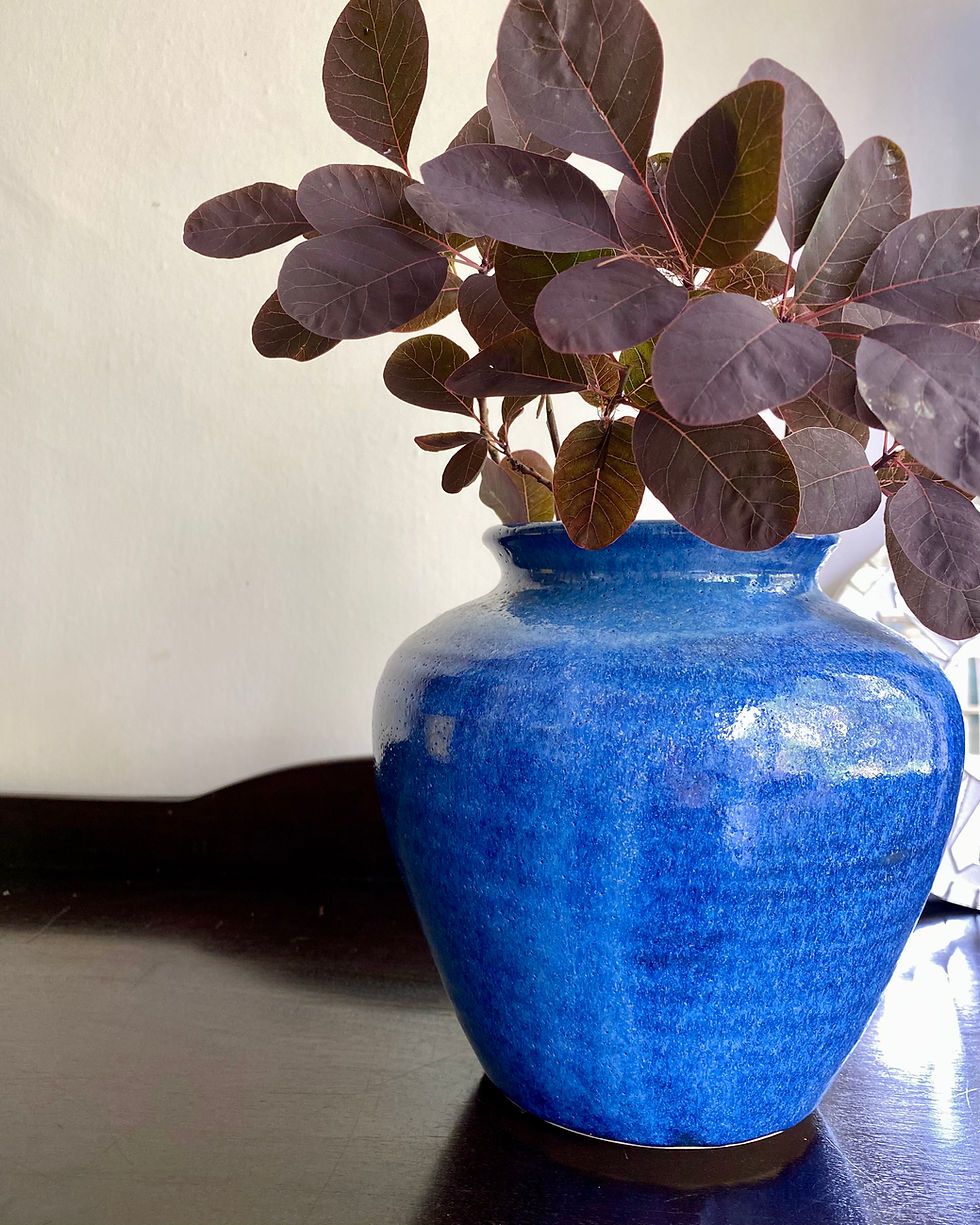
Shop Our Pre-Loved Vases...
Thank you for reading! Head to our Etsy shop here @annabelsmithinterior to browse & shop our latest drop of vintage and pre-loved vases. Statement style in the form of big, bold pots or pretty vase pairs to adorn mantel, bedsides or shelves. Have fun flower arranging!
Comments